Trump confirms Nvidia chip agreement
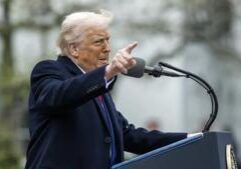
Nvidia will pay the United States 15% of the money it makes from selling artificial intelligence chips to China, President Donald Trump said in a press conference on Monday.
Trump said he allowed Nvidia CEO Jensen Huang to sell H20 chips to China while the company provides the U.S. government with a kickback of the profits.
“The H20 is obsolete,” Trump said. “So we negotiate a little deal so he’s, essentially, selling an old chip,” Trump added, referring to Huang.
Trump said he initially asked for a 20% cut from sales of Nvidia’s chips but the two landed on 15%.
In April, Trump banned Nvidia from selling H20 chips to China. The administration later reversed the ban in July.
A coalition of democratic lawmakers, including Sen. Chuck Schumer, D-N.Y., criticized the administration’s July reversal.
“Limiting the PRC’s access to advanced compute has been a focus of Congress: one with a strong bipartisan commitment across both chambers and both parties,” The letter read.
“The PRC’s development of advanced AI capabilities represents a clear risk to the United States’ national and economic security, and the administration’s willingness to trade away that security is extremely troubling,” the letter continued.
Latest News Stories

WATCH: Dysolve AI offers approach to dyslexia in schools

Inventors back effort to tackle intellectual property thefts

WATCH: Dems leave hearing before minority group’s testimony on Biden border policies

Illinois quick hits: ICC approves smaller rate increases
WATCH: Ex-Illinois governor pushes for ‘millionaire’s surcharge’ amendment

Lawmakers weigh replacing Obamacare tax credits with health savings accounts

Feds: Guilty plea hearings scheduled for Antifa members indicted on terror charges
Lawyers call legal immigration crackdown harmful

WATCH: Illinois continues work to reduce state’s high SNAP error rate

Border Patrol agents arrest illegal CDL drivers in upstate New York

ACA premiums projected to rise 26% in 2026, far above U.S. inflation

Michigan law firm sued over alleged racial bias in diversity scholarships