Trump confirms Nvidia chip agreement
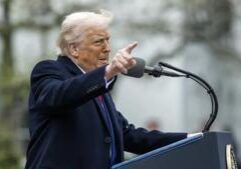
Nvidia will pay the United States 15% of the money it makes from selling artificial intelligence chips to China, President Donald Trump said in a press conference on Monday.
Trump said he allowed Nvidia CEO Jensen Huang to sell H20 chips to China while the company provides the U.S. government with a kickback of the profits.
“The H20 is obsolete,” Trump said. “So we negotiate a little deal so he’s, essentially, selling an old chip,” Trump added, referring to Huang.
Trump said he initially asked for a 20% cut from sales of Nvidia’s chips but the two landed on 15%.
In April, Trump banned Nvidia from selling H20 chips to China. The administration later reversed the ban in July.
A coalition of democratic lawmakers, including Sen. Chuck Schumer, D-N.Y., criticized the administration’s July reversal.
“Limiting the PRC’s access to advanced compute has been a focus of Congress: one with a strong bipartisan commitment across both chambers and both parties,” The letter read.
“The PRC’s development of advanced AI capabilities represents a clear risk to the United States’ national and economic security, and the administration’s willingness to trade away that security is extremely troubling,” the letter continued.
Latest News Stories

Lincoln-Way 210 to Launch District Literacy Plan, Expands Community Partnerships
Pipeline expansion touted as key to U.S. energy dominance
County Board Abates Over $25 Million in Property Taxes for Bond Payments
Illinois quick hits: EV rebate applications opens Oct. 28; Chicago speed camera tickets spike

WATCH: Pritzker expects troops soon, protesters with guns charged; Darren Bailey reacts
Lincoln-Way 210 Prepares for “Retirement Wave” with Focus on Recruitment

Report says Arizona school superintendents pad their pay
Trump administration takes Nevada off sanctuary state list
Candidates favor Medi-Cal for illegal immigrants

DOE to invest $625 million to keep coal plants running
Arizona congressman proposes coin to honor Charlie Kirk

Experts launch task force to combat U.S. literacy decline