Will County Board Formally Opposes Heavier, Longer Trucks on National Roadways
Article Summary: The Will County Board unanimously passed a resolution opposing any federal legislation that would increase the size and weight limits for commercial trucks on the nation’s roadways. The resolution cites significant risks to public safety and accelerated damage to local and state infrastructure not designed for such vehicles.
Truck Size and Weight Legislation Key Points:
-
Opposition: The board opposes federal proposals to authorize 91,000-pound trucks and longer “Double 33s” double-trailer combinations.
-
Safety Concerns: The resolution states that larger trucks require longer stopping distances, have reduced maneuverability, and increase the severity of crashes.
-
Infrastructure Impact: The board argues that local roads and bridges were not designed for such oversized vehicles, which would accelerate wear and tear, leading to costly repairs.
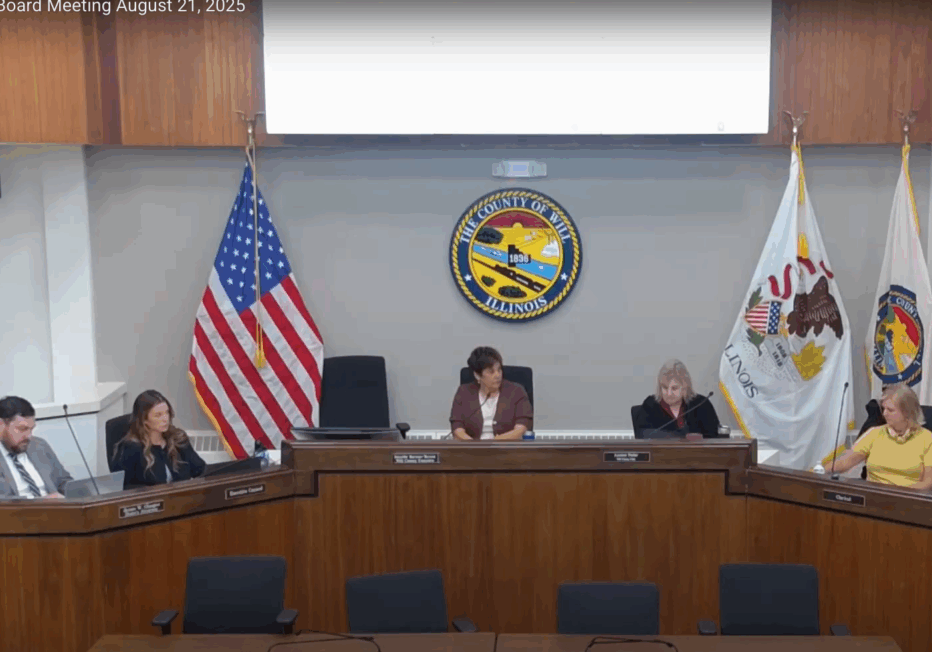
JOLIET, IL – Citing concerns over public safety and the integrity of local infrastructure, the Will County Board on Thursday unanimously approved a resolution formally opposing federal proposals to allow bigger and heavier trucks on the nation’s roads.
The resolution, which passed without discussion as part of the Legislative Committee’s consent agenda, targets potential federal legislation that would authorize 91,000-pound trucks and longer double-trailer combinations, known as “Double 33s,” to operate more widely.
The board’s resolution argues that “heavier and longer trucks pose increased risks to public safety, as they require longer stopping distances, reduce maneuverability, and increase the severity of crashes, particularly on non-interstate roadways.”
Will County, a major logistics and freight hub, experiences heavy truck traffic, and the resolution emphasizes that its local and state infrastructure was not designed to handle the stress of such oversized vehicles. The document warns that allowing these trucks would “significantly accelerate wear and tear and lead to costly repairs and structural failures.”
Furthermore, the board stated that increasing truck size and weight limits would shift “hidden costs of freight transport—including infrastructure damage, public safety response, and environmental impact—onto local governments and taxpayers.”
The resolution aligns Will County with the Coalition Against Bigger Trucks (CABT), a national group of law enforcement officials, emergency responders, and safety advocates who have expressed opposition to the proposals. The county’s resolution notes that these groups have cited “documented risks and insufficient data on safety or infrastructure impacts” related to allowing larger trucks.
The approved resolution formally states that the Will County Board “opposes any federal legislation that would authorize heavier or longer trucks… on the nation’s roadways without a full and independent safety and infrastructure assessment.”
Copies of the resolution will be forwarded to the Will County Congressional Delegation, the Illinois Department of Transportation, and the National Association of Counties (NACo) to officially register the county’s position.
Latest News Stories
Lawmakers call for changes to cashless bail as Illinois faces federal funding loss
Illinois quick hits: Unemployment down; Rivian supplier gets tax incentives
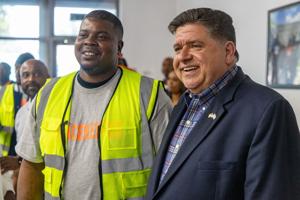
Pritzker’s office ‘extremely troubled’ by photo with suspect ‘peacekeeper’

Pritzker touts quantum future, state senator urges caution for taxpayers

WATCH: Pritzker on Kimmel suspension; SNAP error rate alarms; hemp regulations loom

Temporary Rockford Courthouse fence sparks debate over security and costs

Illinois quick hits: Report: Suspect pictured with Pritzker; more immigration arrests

Illinois quick hits: Suspect in custody after state senator’s home struck with gunfire

WATCH: Governor candidate: Low-cost districts shine while most IL schools spend, fail
WATCH: Pritzker threatens executive action regulating hemp if legislature won’t act
WATCH: Illinois congresswoman OK withholding federal tax funds to change state policy

Chicago mayor: ‘We do not have a spending problem’ as spending, deficit grows