Florida joins redistricting push, schedules special session
Florida is joining a growing list of states seeking to redraw their congressional maps and gain an advantage in the November midterm elections.
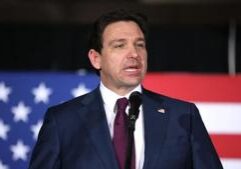
Gov. Ron DeSantis on Wednesday announced a special legislative session, scheduled for April 20-24, to address redistricting.
The session will “take place after the regular legislative session, which will allow the Legislature to first focus on the pressing issues facing Floridians before devoting its full attention to congressional redistricting in April,” he posted on X.
“Every Florida resident deserves to be represented fairly and constitutionally,” he added.
The maps are typically redrawn at the beginning of each decade after Census results are released. But President Donald Trump has been pushing Republican-led states to redraw ahead of the midterms to boost the party’s chances of keeping its narrow majority in the U.S. House.
Texas, Missouri, North Carolina and Ohio have redrawn maps favoring Republicans. In California, Democrats responded with a new map, and Virginia Democrats have tried to do the same.
Republicans hold 20 of Florida’s 28 congressional districts. The current deadline for candidates to file is April 24, although the date could be moved.
DeSantis, a Republican, wants to delay considering a new map in anticipation of a potential U.S. Supreme Court ruling that could weaken the Voting Rights Act and make it easier for states to add GOP-friendly districts.
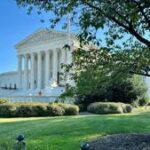
Justices are currently considering whether Louisiana’s new congressional map, which created a second majority-Black district, complies with the U.S. constitution. It’s not clear when a ruling will be issued this year.
Other Florida Republicans have appeared willing to begin redrawing maps sooner.
In September, House Speaker Daniel Perez created a special committee to examine a Florida Supreme Court ruling that upheld the redrawing of a majority-Black district in Florida’s 2022 maps.
Perez said at the time the decision “raises important and district questions” about the interpretation of the Fair Districts provision of Florida’s constitution and how it interacts with federal law.
“Exploring these questions now, at the mid-decade point, would potentially allow us to seek legal guidance from our Supreme Court without the uncertainty associated with deferring those questions until after the next decennial census and reapportionment,” Perez said.




Showers And Thunderstorms Likely
Latest News Stories

Report: State reliance on federal funds up significantly since 1990s

Southwest low on list of safest states; Northeast at the top

Washington state attorney general agrees to protect seal of confession

Pacific Northwest journalists sound off on Antifa at President Trump’s roundtable

Nvidia will pay 100k visa fees, others unsure

‘Shameful:’ GOP leaders frustrated with Dems on tenth day of shutdown

Trump snubbed by Nobel Committee, praised by winner
Will County Committee Approves Preliminary $161.6M Tax Levy on Split Vote Amid Heated Debate Over Spending
Will County Eyes Major Overhaul to Consolidate Scattered Government Offices

Trump threatens tariffs on China over ‘hostile’ rare earths policy

Illinois legislator urges school discipline to focus on behavior, not race

WATCH: Trump appeals Guard TRO as DHS looks to ‘double down’ law enforcement in Chicago