Illinois bill sparks debate over police privacy vs. public access
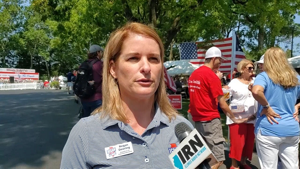
(The Center Square) – An Illinois lawmaker and law enforcement officer says a controversial proposal to change how police records are handled under the state’s public records law could help agencies manage growing workloads – while still maintaining transparency.
State Rep. Patrick Sheehan, R-Homer Glen, said House Bill 5733 would ease the burden on police departments handling large volumes of requests under the Illinois Freedom of Information Act.
Supporters say it protects sensitive information, while critics warn it could reduce transparency by expanding exemptions and delaying access to records. Sheehan called the measure “a step in the right direction” for departments managing time-consuming redactions.
“One of their biggest complaints is they want to be transparent to the public,” Sheehan said. “The issue is, when you’re getting inundated with FOIA requests, the redaction process can be very tedious and time-consuming.”
The bill would give agencies more time to respond to records requests, helping departments with limited staff manage the time-intensive review process. While critics worry it could shield body camera footage, Sheehan said he does not believe the measure broadly exempts those records.
“I don’t believe anything is going to be exempt,” he said. “I think all this information is still FOIA-able. This is about giving departments more time and support to process requests.”
The lawmaker suggested the bill could go further in addressing the needs of smaller police departments, which may not meet thresholds outlined in the legislation but still face high volumes of requests with fewer resources.
Despite his support for aspects of the proposal, Sheehan emphasized that government transparency must remain a priority.
Sheehan acknowledged the need for clarity around what qualifies as “sensitive information” under the proposal. He pointed to cases involving juveniles as an example where privacy protections are essential.
“The child’s identity needs to be protected at all times,” he said, adding that lawmakers should further define those categories to avoid confusion.
Sheehan also raised concerns about the growing trend of individuals requesting police footage and posting it online for entertainment or profit, particularly on platforms like YouTube and TikTok. He warned that such practices can lead to the doxxing of officers or the public.
“You don’t know what someone is going through on one of the worst days of their life,” he said. “Officers and the public don’t deserve to be turned into clickbait.”






Showers And Thunderstorms Likely
Latest News Stories

Report: State reliance on federal funds up significantly since 1990s

Southwest low on list of safest states; Northeast at the top

Washington state attorney general agrees to protect seal of confession

Pacific Northwest journalists sound off on Antifa at President Trump’s roundtable

Nvidia will pay 100k visa fees, others unsure

‘Shameful:’ GOP leaders frustrated with Dems on tenth day of shutdown

Trump snubbed by Nobel Committee, praised by winner
Will County Committee Approves Preliminary $161.6M Tax Levy on Split Vote Amid Heated Debate Over Spending
Will County Eyes Major Overhaul to Consolidate Scattered Government Offices

Trump threatens tariffs on China over ‘hostile’ rare earths policy
Illinois legislator urges school discipline to focus on behavior, not race

WATCH: Trump appeals Guard TRO as DHS looks to ‘double down’ law enforcement in Chicago