Meeting Summary and Briefs: Will County Board Land Use & Development Committee for March 26, 2026
Will County Board Land Use & Development Committee Meeting | March 26, 2026
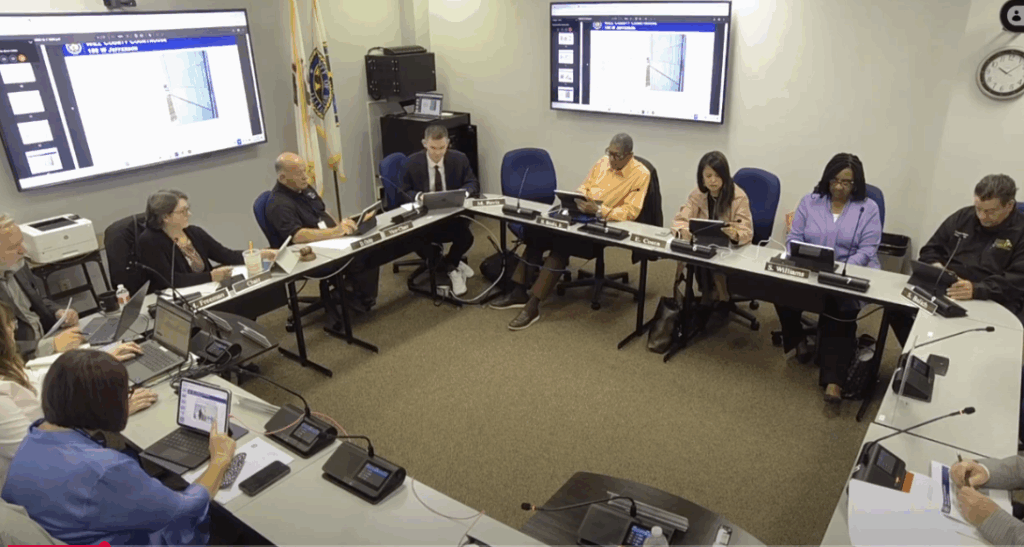
The Will County Board Land Use & Development Committee held a special workshop meeting on Thursday, March 26, 2026, to kick off the steering committee process for the county’s Land Resource Management Plan (LRMP) update. Guided by consultants from Tesca Associates, AECOM, and Baxter & Woodman, board members engaged in live digital polling and small-group breakout sessions to outline the county’s greatest needs and challenges. Major themes included the need for proactive zoning against solar and data center developments, protecting prime farmland, mitigating heavy truck traffic on rural roads, and aligning county zoning with the comprehensive plans of local municipalities.
Streamlining the Permitting Process:
Several board members voiced frustration over the county’s convoluted permitting process, asking consultants to address the issue in the LRMP update. Board Member Judy Ogalla noted that rural residents are often caught off guard by sequential bureaucratic hurdles, such as securing a variance to build an agricultural grain bin only to learn later that the Health Department requires a costly septic field update. “When you apply, let’s say just to put up a shed, you [should] get the whole packet from A to Z of what you need to accomplish,” Ogalla said. Board Member Dawn Bullock agreed, asking the county to implement “handholding” mechanisms to guide citizens through the process so their projects aren’t continually pushed back by 30-day administrative delays due to improper wording or missing steps.
Small Group Exercises Highlight Housing and Open Space:
During the workshop, board members broke into small groups to brainstorm specific policy areas. Group 1 focused on housing, identifying Accessory Dwelling Units (ADUs), senior housing, and mixed-use commercial apartments as the county’s greatest needs. The group noted that restrictive Homeowner Association (HOA) covenants, high property taxes, and a lack of neighborhood walkability remain significant barriers to housing development. Another group focused on open space and the environment, stressing the need for “third spaces” that are free or low-cost for residents, while acknowledging that creating a regional park district could face steep pushback due to the associated property tax burdens.




Mostly Sunny
Latest News Stories
Trump administration begins axing positions of furloughed federal workers

Fiscal Fallout: Illinois has among highest-paid state employees

Report: State reliance on federal funds up significantly since 1990s

Southwest low on list of safest states; Northeast at the top

Washington state attorney general agrees to protect seal of confession

Pacific Northwest journalists sound off on Antifa at President Trump’s roundtable

Nvidia will pay 100k visa fees, others unsure

‘Shameful:’ GOP leaders frustrated with Dems on tenth day of shutdown

Trump snubbed by Nobel Committee, praised by winner
Will County Committee Approves Preliminary $161.6M Tax Levy on Split Vote Amid Heated Debate Over Spending
Will County Eyes Major Overhaul to Consolidate Scattered Government Offices

Trump threatens tariffs on China over ‘hostile’ rare earths policy
Illinois legislator urges school discipline to focus on behavior, not race

WATCH: Trump appeals Guard TRO as DHS looks to ‘double down’ law enforcement in Chicago